Some people get confused about God’s nature: they think that God is “only love” – as if that one divine attribute is so glorious that it says all there is to say about God. Others, however, are gripped by “the fear of the Lord” and apprehend that God is a cruel judge who is out to condemn them to hell. What is right?
All God’s various attributes (and there are as many as 25) cohere in Him in absolute harmony; he is in no way divided against himself. All the attributes that describe him are his in perfection, and all he does honours all the many facets of his glorious divine character.
So when he contemplates us, sinful human beings, he looks on us both with justice and with love. His love desires our true happiness; his wisdom knows how to procure that happiness while respecting our freedom. He wants to win our love by demonstrating his great love for us.
But equally he looks on us assessing the real seriousness of our sin, our disobedience to his will, our indifference to his love and our many transgressions of his holy law. Our sinful conduct incurs his righteous condemnation. He is a God of justice and that means he punishes disobedience to his commandments. Indeed, he expresses not only his calm, objective condemnation; he is stirred to righteous – but well-controlled – anger by our wilful disobedience.
These two aspects of his nature appear to be in conflict; but in his infinite wisdom, God knows how to show mercy in harmony with his justice.
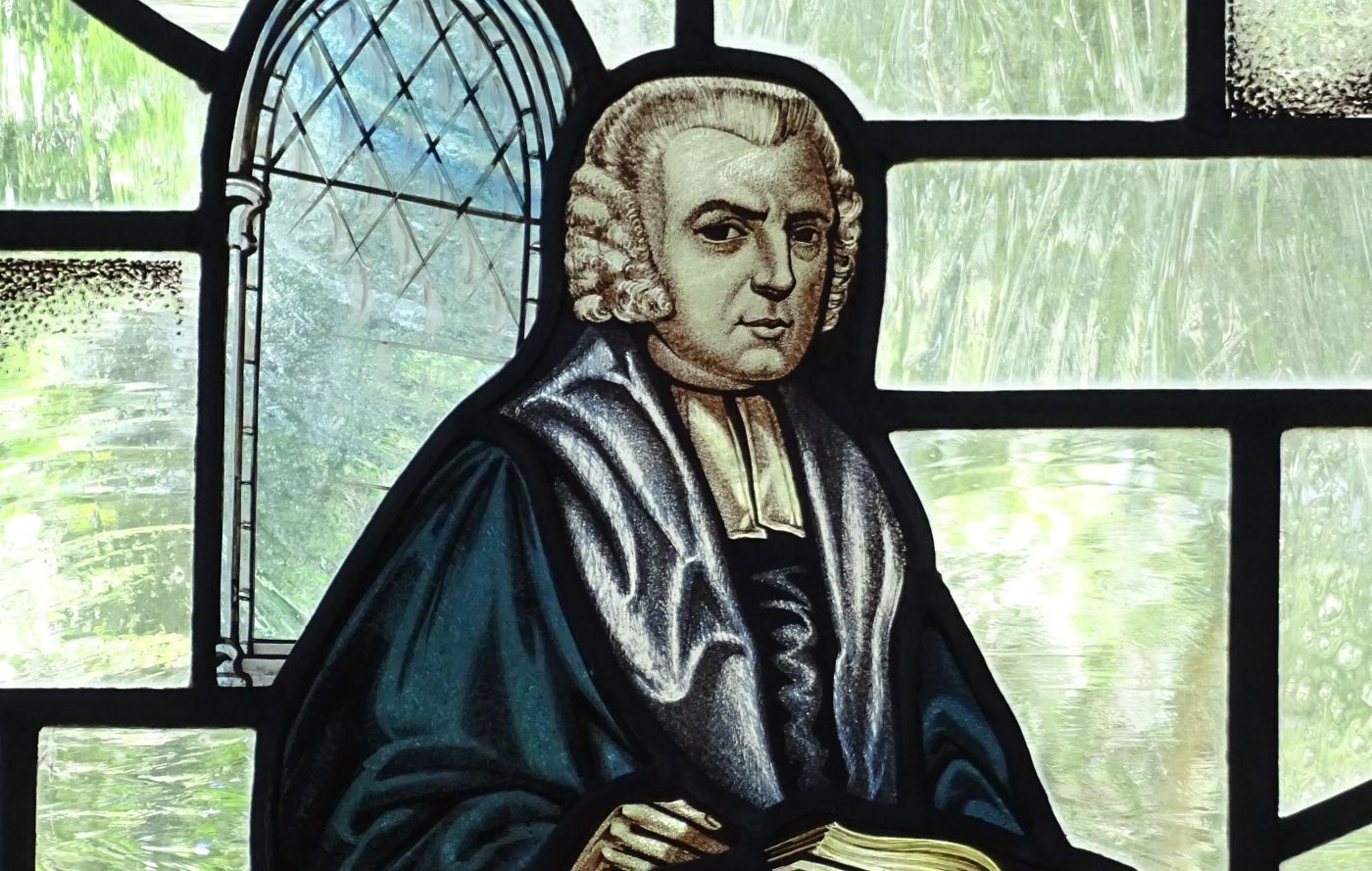
Exactly 250 years ago, John Newton, who had been a worthless and wicked slave trader before his radical conversion in a storm at sea, penned the much loved hymn, “Amazing grace”. He had certainly deserved God’s judgment by his foul lifestyle on the high seas for many years. He admits he was a “wretch”. But – ah, the grace of God reached him, saved him, changed him into a saintly wise old preacher and hymn-writer, a much respected church leader and an inspiring spokesman of the movement that brought an end to slavery in Britain.
What then is this amazing grace of God that can save a wretch like Newton? It is a glorious theme in the Bible: it means that God is so loving, he is even kind to his enemies – to wicked, hell-deserving sinners – to the extent that he sets in motion a grandiose plan of salvation whereby those sinners, living in rebellion against God and flouting his law, can be brought to an enduring and radical change of life and inherit eternal life. Newton testified, “Grace… saved a wretch like me”. He once was lost, far from God, a blaspheming immoral sailor; but God found him and drew him into his loving arms and transformed his whole existence.
Grace means that even when we think we’ve sinned away all chances of mercy and forgiveness, and however heinous our sins may have been, there is still hope that God is willing to receive us back with love. Indeed, he has gone before us and done all that is necessary to allow him – in a way that fully respects an honours the requirements of his justice – to pardon sinners such as me and you.
How he does that is the most wonderful news the world has ever heard!
Clive Every-Clayton
 Authentic Hope for Answers
Leave a comment