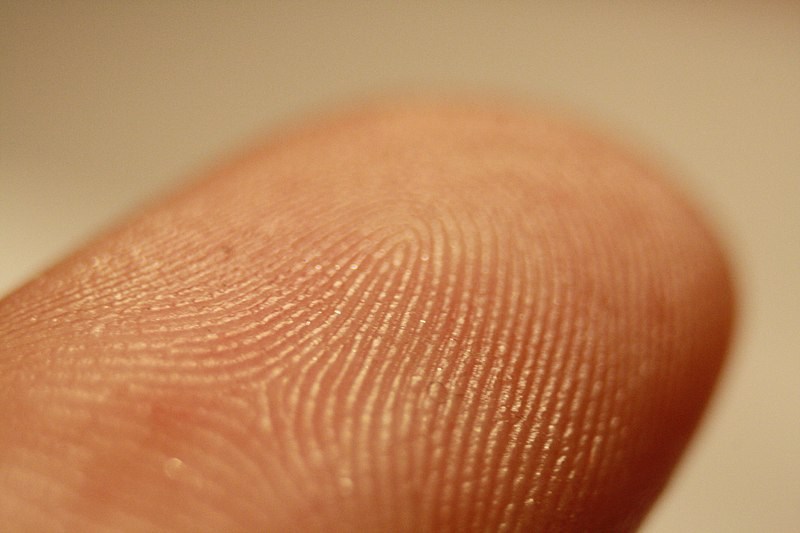
Many young people these days are confused about their identity. Some believe that by stating their chosen preferred identity, the problem is resolved – at last they know who they are. This is not the best way to go about this deeply personal and potentially complex issue.
The fact of deciding to follow Jesus brings the question of identity into a whole new perspective. The only one who ultimately knows us totally and can define who we are is our Maker and Saviour. By creation he has made us in his image, either male or female; but due to the entry of sin into human existence, an essential element of our identity is that we are fallen: “if we say we have no sin, we deceive ourselves and the truth is not in us” (1 John 1.8).
So there is something glorious in our human constitution – “in the likeness of God!” Yet there is something humbling too: we are sinners in need of redemption. As I shall explain further on, once you believe in the Lord Jesus Christ, you are redeemed: your status is radically altered. You have a new identity as “a sinner saved by grace”. But much more is involved in your new identity.
Your becoming a child of God is an important element in your new identity as a Christian believer. As a result you have become a brother or a sister of all the others who by trusting Jesus have become children of the same heavenly Father as you. You are a member of God’s family, which is also called the church. (The church, in its biblical meaning, is the company of born-again believers in Jesus). So as you meet up to worship with others who know the same saviour as you do, you find the family atmosphere of brothers and sisters in Christ.
A surprising word used in the New Testament to describe the believers is “saints”. This is not to be confused with the Middle Ages’ idea of super-good Christians with halos round their heads. Rather, when the apostles wrote their letters to quite ordinary believers, they greeted them as saints. It was a perfectly normal way of speaking about the believers in the local churches: Paul writes his letter to “the saints in Ephesus, the faithful in Christ Jesus” (Ephesians 1.1; see also 2 Corinthians 1.1, 1 Corinthians 1.1.) In Romans 1.7 they are “called [to be] saints”, that is, committed to a life of goodness, truthfulness, and obedience to God. Saintliness is in fact living a good down-to-earth Christian life, doing what Jesus wants his followers to do; and we receive help from the Holy Spirit to live as saints in the modern world.
So we are brothers and sisters, saints, beloved children of God, forgiven sinners, members of the family of God… the list goes on. All this because we have become believers: believers in Jesus who gave his life that we might be saved; and believers in God our Father who has “adopted” us (that concept is in the Bible too) as his dear children. This new identity that you received upon believing in Jesus, in many ways boosts your self-image; but it should do so in a way that keeps you humble, for all these blessings were granted out of God’s loving heart by grace. It was he who he drew you to himself. We do not deserve such kindness from Him, but he acts towards us not according to what we deserve, but out of his grace, which means his undeserved favour.
Clive Every-Clayton
 Authentic Hope for Answers
Leave a comment