
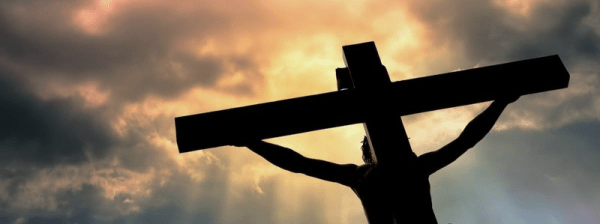
From the beginning of the church, the first preachers proclaimed as an actual fact that Jesus, having been crucified, dead, and buried, rose to life and was seen by a number of his disciples over a period of about two months. They told how he had eaten and talked with them, showing them the wounds of his crucifixion to demonstrate that it was really himself. The preaching by these disciples in Jerusalem enraged the religious leaders who had brought about his crucifixion, and they did all they could to stamp out this new sect. They had the leading speakers imprisoned, beaten, and ordered them to stop preaching about this risen Jesus. The eyewitnesses of the risen Christ could not, however, be stopped, whatever they might suffer for proclaiming truth – they would neither lie nor be silent.
The religious authorities would have just loved to find the corpse of Jesus and put a stop to this new religion, but there was no corpse; his grave was empty.
As the first Christians proclaimed that their Master had risen from the dead, they quoted texts from the earlier Scriptures that had predicted that the Messiah would return from death. They remembered that Jesus himself had actually foretold several times that he would be crucified and then rise again “after three days” (Mark 8.31, 9.31, 10.33-34 – passages paralleled in Matthew and Luke). Because of that claim, the Jewish leaders set a guard to watch over the tomb where he was buried, lest anyone came and tampered with the corpse. But when an earthquake occurred, the guards were overcome with fear, seeing a shining angelic vision and could do nothing to prevent Jesus’ resurrection.
The new faith grew rapidly; no-one could counter the fact of Jesus’ resurrection, attested by those witnesses who had seen Jesus alive after his death. The Christian church was thus founded on the proclamation that Christ died for our sins and rose victorious over death. The Jesus who during his lifetime had healed the sick and even three times raised the dead, was himself conqueror of death: and the most astonishing thing of all is that he had predicted he would rise from death after three days. His prediction was fulfilled! This is the most astounding prophecy and the most mind-boggling fulfilment in all human history!
By this unique resurrection of Jesus the Son of God, his almighty Father demonstrated with power his approval, authenticating his life, teaching, and atoning work by raising him from death, subsequently taking him up to heaven at his ascension. Christianity was born by the events of Easter to which the apostles of Jesus testified in the town where he was killed. They boldly proclaimed that they had seen the risen Christ, and thousands believed and were baptised.
A further aspect of the message which Jesus’ apostles proclaimed was that the Spirit of the risen Christ could enter people’s lives and transform them from sinners into saints. The many who were converted in those early weeks experienced that saving transformation as they heard the preaching of the Gospel, repented, and believed in Jesus. The biblical definition of the Gospel message is that “Christ died for our sins in accordance with the Scriptures, that he was buried, that he was raised on the third day in accordance with the Scriptures, and that he appeared to…” various people (1 Corinthians 15.1-6). The Christian faith is therefore based on historic events recorded in the early biblical documents which we now possess in the Bible, which give evidence for believing that Jesus was God incarnate.
Clive Every-Clayton

 Authentic Hope for Answers